

 Jane
Jane
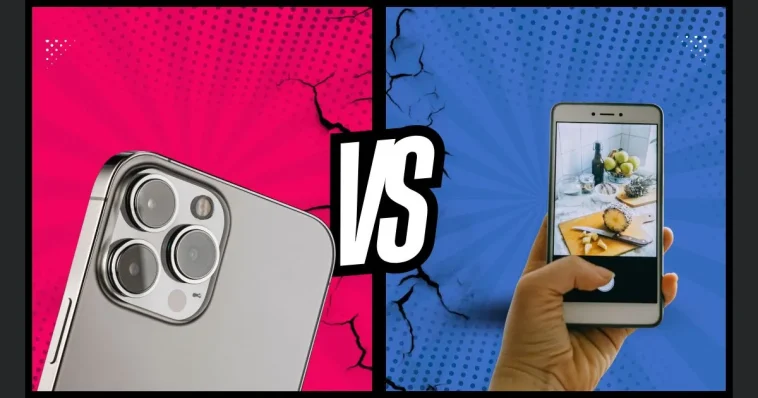
In today’s world, the quality of your smartphone camera can make or break your photo experience. Whether you’re capturing family memories or creating social media content, the right camera phone can turn ordinary moments into extraordinary images. With so many options on the market, choosing the best device can feel overwhelming. This article provides an in-depth camera phone comparison, breaking down key features, evaluating the top contenders of 2025, and helping you find the phone that consistently delivers the best photos for your needs.
Why Camera Quality Matters
Smartphones are no longer just communication devices. They serve as our primary cameras, often replacing standalone cameras for everyday photography. The quality of a camera phone matters for several reasons. First, it affects the sharpness and clarity of your images. A high-quality sensor captures more detail, producing photos that look crisp even when zoomed in or printed. Second, the camera’s performance in low light can determine whether your night shots are noisy and grainy or beautifully illuminated. Third, modern cameras offer advanced features such as optical zoom, portrait mode, and computational photography, enhancing creativity and versatility.
Another crucial factor is the camera’s software. Today, computational photography is just as important as hardware. This technology uses algorithms to improve photo quality, adjust lighting, and reduce noise, allowing smartphones with smaller sensors to punch well above their weight. In short, choosing a camera phone involves considering the complete package: hardware, software, and your own photographic style.
Key Factors to Consider
When comparing camera phones, it helps to break the decision down into a few essential categories. Here’s what to focus on:
1. Sensor Size and Megapixels
Many people assume that more megapixels always mean better photos, but that isn’t necessarily true. Megapixels determine an image’s resolution, which can affect detail, cropping, and print size. However, sensor size plays an equally important role. A larger sensor captures more light, improves dynamic range, and reduces noise in low-light conditions. For example, phones like the Google Pixel 8 use moderately sized sensors but combine them with advanced software to produce incredible results, demonstrating that megapixels alone are not the whole story.
2. Lens Quality and Aperture
Lens quality directly impacts sharpness and distortion. Wide apertures, measured in f-stops, let more light reach the sensor, improving low-light performance. Phones like the Samsung Galaxy S23 Ultra feature wide lenses with large apertures that excel in night photography, producing bright, detailed images without relying heavily on digital enhancements. Meanwhile, telephoto lenses are essential for zoom shots without losing detail, while ultra-wide lenses are ideal for expansive landscape or architectural shots. Choosing a phone with a versatile lens setup ensures you can capture a wide range of scenes effectively.
3. Image Processing and Software
Modern smartphones rely heavily on image processing to enhance photo quality. HDR (High Dynamic Range) is one example, balancing bright and dark areas in a photo. Computational photography, often powered by AI, can sharpen images, reduce noise, and even simulate professional effects such as bokeh and depth of field. The Google Pixel series, Apple iPhone, and Samsung Galaxy phones all use advanced processing to produce photos that often rival those from DSLRs. While two phones may have similar hardware, the software can be the deciding factor in which consistently produces better photos.
4. Video Capabilities
A great camera phone should also excel in video. Look for features like 4K recording, optical image stabilization (OIS), and high frame rates. Phones like the iPhone 15 Pro Max provide cinematic-quality video with advanced stabilization and dynamic range, making it easier to shoot smooth, professional-looking clips. Video performance matters not only for creators but also for anyone who captures life’s moments beyond still photography.
5. Front-Facing Camera
Selfies and video calls are integral to modern phone use. Front-facing cameras vary widely in resolution, lens quality, and processing power. Phones like the Samsung Galaxy S23 series and iPhone 15 have excellent front cameras that deliver sharp, natural selfies with practical portrait effects, which is particularly important for vloggers and social media enthusiasts.
Top Camera Phone Comparison
Let’s take a closer look at some of the leading camera phones on the market in 2025 and how they stack up across these factors.
1. Apple iPhone 15 Pro Max
The iPhone has long been synonymous with reliable camera performance, and the iPhone 15 Pro Max continues this tradition. Its primary 48MP sensor is paired with an advanced image processor, delivering bright, detailed shots even in low light. Photographers praise its color accuracy, natural-looking skin tones, and consistent performance across different lighting conditions.
The phone also excels in video, offering 4K recording with Dolby Vision HDR and cinematic stabilization. Portrait mode delivers realistic bokeh, and the ultra-wide lens captures expansive landscapes with minimal distortion. For users invested in Apple’s ecosystem, this phone’s seamless integration with iCloud, editing tools, and apps makes it a strong choice for both photography and workflow.
2. Google Pixel 8 Pro
Google Pixel phones are celebrated for their computational photography. The Pixel 8 Pro uses a 50MP primary sensor with AI-driven processing to enhance dynamic range and detail. Its Night Sight feature is imposing, producing clear, vibrant low-light images that often outperform competitors.
Google’s strength lies in simplicity. Even without extensive camera knowledge, the phone produces photos that are visually striking straight out of the camera. It also offers Magic Eraser and other software tools that make it easy to remove distractions or imperfections. While video capabilities are strong, they are slightly behind the iPhone’s in terms of cinematic flexibility. For still photography, the Pixel 8 Pro is one of the best options available.
3. Samsung Galaxy S23 Ultra
The Galaxy S23 Ultra features a powerful 200MP primary sensor, which, combined with multi-frame processing, delivers highly detailed shots. Its telephoto lens offers 10x optical zoom, and the ultra-wide lens expands versatility for landscape or architectural photography. Samsung’s cameras excel in color reproduction, often producing vibrant, eye-catching images.
In low light, the S23 Ultra performs admirably thanks to its large sensor and advanced Night Mode. The phone also offers 8K video recording, advanced stabilization, and numerous video modes for creators. For users who enjoy pushing their photography with different lenses, zoom levels, and creative effects, this phone offers an unmatched toolkit.
4. Sony Xperia 1 V
Sony’s Xperia line stands out for its professional-grade controls. The Xperia 1 V offers a 12MP triple-lens setup but focuses on precision, manual controls, and RAW shooting capabilities. Its interface mimics traditional cameras, appealing to photographers who prefer to manually fine-tune settings such as ISO, shutter speed, and focus.
While not as user-friendly for casual shooters, the Xperia 1 V delivers excellent dynamic range, color accuracy, and low-light performance when used correctly. Video enthusiasts benefit from Cinema Pro mode, which allows complete control over frame rates, color grading, and exposure settings. For professional photographers seeking a phone that can double as a creative tool, the Xperia 1 V is a standout option.
5. OnePlus 12 Pro
OnePlus has gained recognition for balancing performance, affordability, and camera quality. The OnePlus 12 Pro features a versatile 50MP primary sensor and a capable ultra-wide and telephoto lens. Its image processing emphasizes natural color reproduction and sharpness, while Night Mode has improved significantly over previous models.
While the OnePlus 12 Pro may not surpass the Pixel or iPhone in raw image processing or video features, it offers excellent value. Users get a solid all-around camera experience without paying the premium price of some flagship phones. For those who want a high-quality camera without breaking the bank, the OnePlus 12 Pro is an appealing option.
Real-World Photography Examples
To understand camera performance, real-world testing is essential. Here are a few scenarios to consider:
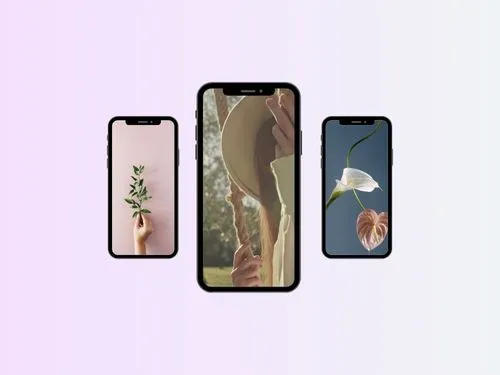
- Low-Light Street Photography: The Google Pixel 8 Pro’s Night Sight allows clear, detailed shots of dimly lit streets. The iPhone 15 Pro Max also performs well, but with slightly warmer tones. The Galaxy S23 Ultra captures bright and punchy images, which may appeal to social media sharing.
- Portrait Shots: Skin tones and bokeh effects vary between devices. The iPhone’s portrait mode produces natural skin tones, while the Galaxy S23 Ultra offers more dramatic separation with a slightly more processed effect. The Pixel strikes a balance, creating soft, appealing portraits without excessive smoothing.
- Landscape Photography: Ultra-wide lenses are crucial for scenic shots. Samsung’s ultra-wide lens captures expansive scenes with vivid colors, while the iPhone maintains accuracy and avoids over-saturation. Google’s computational adjustments enhance contrast and clarity, producing striking landscape shots even under flat lighting conditions.
- Macro Shots: For close-up photography, detail and focus are key. Phones with larger sensors like the iPhone and Galaxy S23 Ultra excel here, capturing textures and fine details that smaller-sensor phones may struggle with.
Choosing the Right Camera Phone for You
Selecting the best camera phone depends on your priorities. If you value simplicity and computational photography, Google Pixel phones are ideal. If you want a versatile, all-around performer with excellent video capabilities, the iPhone 15 Pro Max is hard to beat. For photography enthusiasts who love zoom and experimenting with multiple lenses, Samsung’s Galaxy S23 Ultra provides unmatched flexibility. Meanwhile, the Sony Xperia 1 V is perfect for those who want professional control, and the OnePlus 12 Pro offers solid performance at a more affordable price.
Consider your lifestyle as well. Do you shoot primarily in natural light or indoors? Do you prefer social media-ready images straight from the camera, or do you enjoy post-processing? Your answers can help narrow the options.
Accessories and Tips for Better Mobile Photography
Even the best camera phone can benefit from a few accessories and techniques. Consider using:
- Tripods for stability during low-light or long-exposure shots.
- External lenses for enhanced zoom or macro capabilities.
- Editing apps to tweak exposure, color, and sharpness post-shot.
Additionally, understanding basic photography principles—composition, lighting, and perspective—can elevate your images beyond the hardware itself.
Selecting the Right Camera Phone for Every Moment
Choosing a camera phone is about balancing hardware, software, and your personal needs. Phones like the iPhone 15 Pro Max, Google Pixel 8 Pro, Samsung Galaxy S23 Ultra, Sony Xperia 1 V, and OnePlus 12 Pro each offer unique strengths. Some excel in computational photography, others in versatility or professional control, and some provide excellent value without compromise.
Ultimately, the best camera phone is one that matches your style, shooting conditions, and creative goals. By considering sensor quality, lens versatility, software processing, and video performance, you can confidently select a phone that consistently produces the photos you love. Whether you are capturing fleeting moments with friends, crafting social media content, or exploring creative photography, the right camera phone can turn everyday life into a gallery-worthy experience.