

 Jane
Jane

Foldable smartphones have been a tantalizing concept for years, with companies like Samsung and Huawei leading the way. Now, Apple is joining the foldable revolution. Recent leaks suggest that the tech giant is actively working on a foldable iPhone, and the newest images show a device that is thinner than previously anticipated. The idea of a folding iPhone has sparked curiosity, excitement, and a fair amount of speculation. Apple fans and tech enthusiasts alike are eager to see how the company will translate its signature design philosophy into a foldable form factor.
What the New Leaks Tell Us About Apple’s Foldable iPhone
The latest leaks come from sources who have reportedly seen prototype units or rendered images based on insider information. According to these leaks, the foldable iPhone features a sleek design with a near-seamless hinge mechanism. Unlike some early foldable models from other brands, the device maintains a slim profile even when folded.
One of the most notable aspects of these leaks is the phone’s overall thickness. Early speculation suggested that Apple’s foldable iPhone could be bulky due to the need for dual screens and the hinge mechanism. However, the recent images indicate that the device is thinner than expected, potentially making it more practical for everyday use. While specific dimensions are not yet confirmed, the phone appears comparable to, or even slightly thinner than, some of the thicker foldable models currently on the market.
The leaks also hint at a polished exterior, with materials consistent with Apple’s premium design ethos. Users can expect a combination of reinforced glass and metal framing to ensure durability while keeping the device lightweight. The hinge design is also reportedly refined to minimize gaps and avoid dust accumulation, a challenge that has plagued some competing foldable devices.
Potential Display Technology
Apple’s foldable iPhone is expected to use a flexible OLED display. OLED technology is ideal for foldable designs because it allows screens to bend without compromising colour quality or brightness. Apple has been investing heavily in OLED technology for years, using it in the iPhone 12 and subsequent models, and the foldable device will likely benefit from these advancements.
The screen is rumored to feature a 120Hz refresh rate, which makes scrolling, gaming, and general interactions feel smooth and responsive. In addition to refresh rates, Apple is known for its colour accuracy and HDR capabilities, and these features are expected to carry over to the foldable design. A crisp, vibrant display will be critical, especially if Apple aims to position this device as a premium flagship.
Hinge Mechanism
A foldable phone is only as good as its hinge, and Apple is focused on creating a mechanism that feels sturdy yet smooth. Leaks suggest the hinge is less pronounced than that of competitors’ earlier foldable models, allowing for a more streamlined look when the device is closed.
Apple may also include a subtle magnetic or mechanical system to keep the phone closed securely. This is important not only for protecting the screen but also for ensuring that the device feels solid in the hand. Users have criticized some early foldables for feeling wobbly or unbalanced when partially open, and Apple is likely aiming to avoid these pitfalls.
Design Language
From the leaked images, Apple’s foldable iPhone maintains the clean, minimalist aesthetic that fans expect. The device reportedly features rounded edges, a seamless back panel, and a polished hinge that blends into the overall design. While foldable phones are inherently more complex than traditional slabs, Apple seems committed to maintaining its iconic design principles.
One of Apple’s key challenges will be balancing innovation with the expectations of longtime iPhone users. Many people are drawn to Apple devices because of their simplicity and intuitive design. If the foldable iPhone is too complex or feels gimmicky, it could alienate a portion of the audience. These leaks, however, suggest that Apple is taking a careful approach, introducing foldable technology without compromising on usability or elegance.
Camera and Performance Expectations
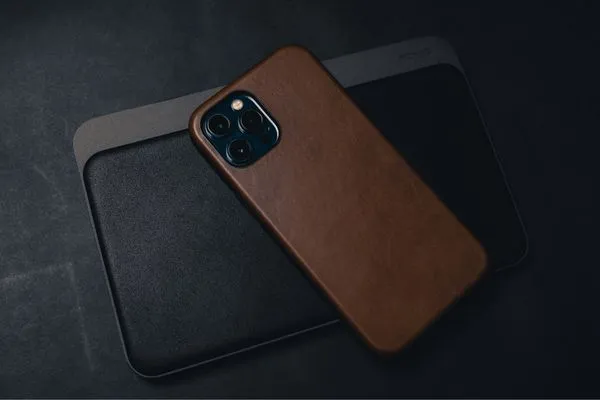
Although detailed specifications are scarce, it is reasonable to expect that Apple will equip its foldable iPhone with high-end hardware. Multiple cameras, including ultra-wide and telephoto lenses, are likely to be integrated seamlessly into the back panel. Apple may even experiment with camera positioning to minimize the bulge and maintain the thin profile revealed in the leaks.
On the performance side, the foldable iPhone is expected to feature Apple’s latest chipset, possibly an A18 or A19 processor, depending on the launch timeline. Coupled with ample RAM and optimized software, this would ensure smooth multitasking even when apps are used in split-screen mode or when gaming on the foldable display. Battery life could be a challenge due to the dual-screen design, but Apple is known for optimizing both hardware and software to maximize efficiency.
Software Adaptations for Foldables
A successful foldable device requires more than hardware innovation; software must adapt to fully leverage the foldable form factor. Apple is likely developing iOS features to support dual-screen interactions, enabling apps to resize dynamically or run simultaneously.
For example, email or messaging apps remain open on one half of the screen while videos or social media feed continue on the other. Gaming and productivity applications may also benefit from a larger, unfolded display, giving users more screen real estate without adding bulk. Apple’s ecosystem approach could also enable continuity features that let tasks seamlessly transition from a foldable iPhone to an iPad or a Mac.
Thinner Design
The thinner design reported in the leaks could be a game-changer for foldable phones. Many early foldable devices struggled with thickness, making them feel cumbersome in pockets or during prolonged use. Apple’s thinner approach may make the device more comfortable to carry and easier to hold, even with one hand.
This design choice also suggests that Apple has invested heavily in engineering solutions to balance durability with thinness. Users can expect a device that folds and unfolds smoothly without adding unnecessary weight or bulk. The thin profile may also appeal to users who prioritize sleek aesthetics and a premium feel over experimental design features.
Challenges and Considerations
Despite the promising leaks, Apple faces several challenges with its foldable iPhone. Durability remains a key concern, particularly with foldable screens that bend thousands of times over their lifetime. Apple will need to ensure that the display does not develop creases or lose touch sensitivity over time.
Price is another factor. Foldable technology is expensive to produce, and Apple products are already positioned at a premium price point. The combination could make the foldable iPhone one of the most expensive devices in the company’s lineup. Market adoption will depend on whether consumers see enough value in a foldable form factor to justify the cost.
Another consideration is app compatibility. While iOS is well-regarded for its polished app ecosystem, developers will need to optimize their applications to leverage foldable screens. Apple’s close control over iOS updates and developer guidelines should help, but the transition will take time.
Industry Impact and Competition
Apple’s entry into the foldable market could shake up the smartphone industry. Competitors like Samsung, Huawei, and Oppo have already released foldable models, but Apple’s brand influence and loyal user base could accelerate adoption.
A foldable iPhone may push competitors to innovate further, resulting in thinner, more durable, and more versatile devices across the market. Apple’s approach may also redefine what consumers expect from flagship devices, shifting the focus from incremental upgrades to transformative design changes.
Anticipation and Launch Speculation
As with all Apple products, leaks and rumours are fueling anticipation months before an official announcement. Industry analysts suggest that Apple could reveal the foldable iPhone in 2026 or 2027, depending on production and testing timelines.
Fans are eager to see how Apple balances the practical aspects of foldables with its commitment to premium design. The thinner profile is fascinating because it indicates that Apple has addressed one of the most common criticisms of foldable devices. If these leaks prove accurate, the foldable iPhone could combine usability, durability, and elegance in a way that few competitors have achieved.
The Future of Foldable Devices
Apple’s foldable iPhone represents more than just a new device; it signals a broader trend in the smartphone market. Consumers are increasingly looking for devices that are versatile, portable, and capable of doing more than a traditional phone. Foldable designs promise tablet-like productivity in a pocketable form.
If Apple succeeds, the foldable iPhone could set new industry standards. Its combination of thinness, high-end hardware, and iOS integration may make it a template for future foldable devices across brands. In addition, it could redefine expectations for durability, screen quality, and software adaptability in foldables.
What Apple’s Foldable iPhone Means for the Industry
The latest leaks for Apple’s foldable iPhone offer a tantalizing glimpse into the future of smartphone design. A thinner-than-expected profile, a refined hinge, and a high-quality display suggest that Apple is approaching the foldable concept with the same care and attention to detail that have defined its products for decades.
While challenges remain, including durability, app optimization, and pricing, the foldable iPhone has the potential to reshape the premium smartphone market. Whether it becomes a mainstream success or a niche product, Apple’s foray into foldables is a clear signal that innovation continues to drive the industry forward.
As more details emerge, tech enthusiasts and Apple fans will be watching closely. The foldable iPhone could combine the convenience of a phone with the productivity and immersion of a tablet, all while maintaining Apple’s signature elegance and usability. If the leaks are accurate, this device may not just fold; it could fold the rules of smartphone design into a new, exciting era.