

 Jane
Jane
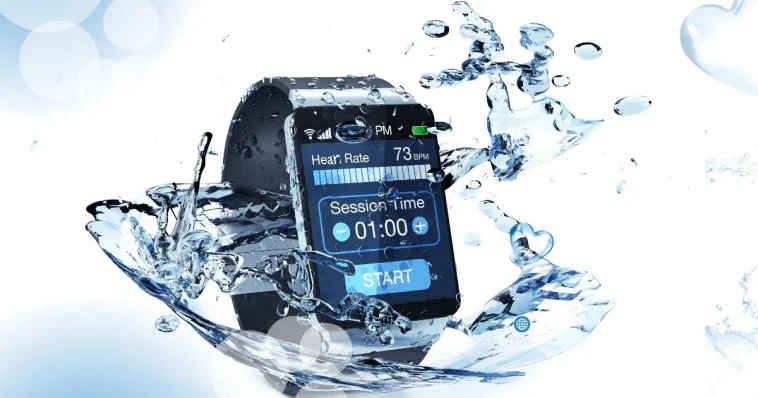
The year 2026 is shaping up to be a defining period for Android smartwatches. Once considered simple wrist-worn notification tools, these devices are now evolving into versatile companions that integrate health insights, artificial intelligence, productivity tools, and style. The evolution is fueled by consumer expectations for smarter, more capable wearables that seamlessly enhance daily life, from wellness tracking to communication, entertainment, and convenience.
Several trends are converging to transform Android smartwatches this year. Advanced sensors, AI integration, longer battery life, improved displays, stylish design options, and enhanced connectivity are reshaping the role of these devices. What was once an accessory for tech enthusiasts is becoming an essential daily tool, capable of replacing certain smartphone functions and providing real-time insights on the go.
Android Smartwatches Features in 2026 for Lifestyle & Health
Smarter AI and On-Wrist Intelligence
Artificial intelligence is one of the most transformative trends in 2026 Android smartwatches. Beyond simple voice commands, AI now delivers proactive assistance, predicting what users may need based on routines, context, and preferences. Notifications, reminders, and scheduling are being optimized with predictive intelligence, so users receive suggestions at the right time without lifting a finger.
AI-powered coaching is becoming central to fitness and health. Smartwatches analyze heart rate trends, sleep patterns, activity levels, and even stress indicators to provide personalized recommendations. For instance, after detecting a week of insufficient sleep, the device might suggest specific recovery exercises or guided meditation sessions to improve well-being. This predictive intelligence transforms wearables from passive trackers into active lifestyle companions.
Contextual AI is also helping users manage daily tasks efficiently. Android smartwatches can anticipate traffic conditions before a commute, suggest breaks during long work sessions, or adjust reminders based on calendar changes. The integration of AI makes devices smarter and more intuitive, offering convenience and insights that were previously unavailable on a wrist-worn device.
Advanced Health Monitoring and Preventive Insights
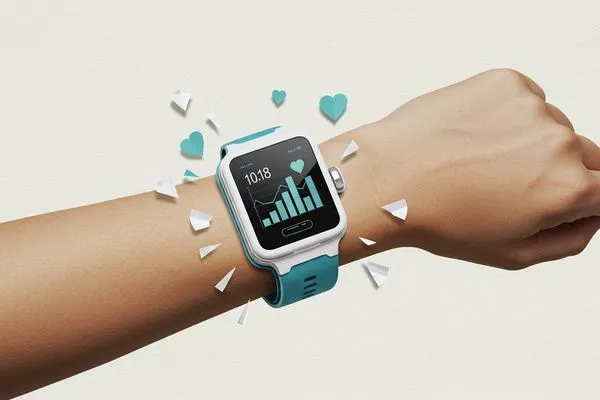
Health monitoring in smartwatches is reaching a new level of sophistication. Modern devices include advanced sensors that can continuously track blood pressure, hydration levels, blood oxygen saturation, and even non-invasive glucose levels. These capabilities allow users to monitor key health metrics without visiting a clinic.
The real advantage lies in predictive analytics. By analyzing trends over time, smartwatches can alert users to potential issues before they become serious. For example, irregular heart rate patterns might trigger early warnings, allowing preventative action. Some devices now provide medical-grade insights, such as vascular health assessments, stress load, and antioxidant levels, giving users more control over their personal wellness.
These devices also integrate with broader health ecosystems. They can share data with fitness apps, diet trackers, and health platforms to provide a holistic view of personal well-being. The result is a smartwatch that not only monitors but actively helps improve health and lifestyle outcomes.
Connectivity and Phone-Free Freedom
One major trend in 2026 is the independence of Android smartwatches from smartphones. With 5G and eSIM support, many devices can now perform tasks such as messaging, GPS navigation, media streaming, and mobile payments without a paired phone. This opens new possibilities for users who want to leave their phones behind during workouts, short trips, or outdoor activities.
Standalone connectivity also enhances safety features. Emergency communication, SOS alerts, and location tracking can operate independently, providing peace of mind for adventurers, travelers, and those who spend time in remote areas.
The ability to operate without a phone encourages more active lifestyles and reduces dependence on carrying multiple devices. Smartwatches are evolving into portable computing hubs that handle essential daily functions while remaining lightweight and wearable.
Battery Innovation and Extended Life
Battery life has been a perennial challenge for smartwatches, especially as new features demand more power. In 2026, manufacturers are addressing this through hardware and software innovations. Energy-efficient processors, smarter display management, and optimized power allocation are significantly extending usage times.
Some Android smartwatches now incorporate energy-harvesting techniques, capturing power from body heat or motion, while solar-assisted charging helps extend battery life. These innovations enable devices to operate for multiple days or even weeks on a single charge while running complex AI, health-tracking, and connectivity features.
Longer battery life also improves usability during high-demand activities like hiking, travel, or multi-day events. Users can rely on their smartwatch without frequent charging interruptions, making it a dependable companion for active lifestyles.
Wear OS Refinement and Cohesive Software Experience
Software remains a critical differentiator in smartwatch usability. Wear OS has evolved to provide smoother performance, more intuitive navigation, and enhanced AI support. Customizable watch faces, circular-screen layouts, and responsive touch gestures are creating visually appealing and user-friendly experiences.
Better integration across the Android ecosystem ensures that smartwatches interact seamlessly with phones, tablets, and smart home devices. Features like remote media control, notifications, smart home automation, and app continuity enhance productivity and convenience.
Software improvements also focus on energy efficiency, enabling advanced features such as continuous health monitoring and AI predictions without draining battery life. Wear OS refinements are turning smartwatches into highly capable wrist computers with rich functionality.
Fashion, Customization, and Lifestyle Appeal
Style and personalization are becoming increasingly important in 2026 Android smartwatches. Devices are available in premium materials such as titanium, ceramic, and sapphire crystal, offering both durability and elegance. Customizable straps, interchangeable bezels, and curated watch faces allow users to express personal style while benefiting from advanced technology.
Even budget-friendly options emphasize aesthetic appeal, showing that smartwatches are no longer just tech gadgets. They are wearable statements that complement fashion and lifestyle preferences. As devices become more mainstream, design is just as important as functionality, making smartwatches a natural extension of personal expression.
Expanded Health Ecosystems and Wearable Networks
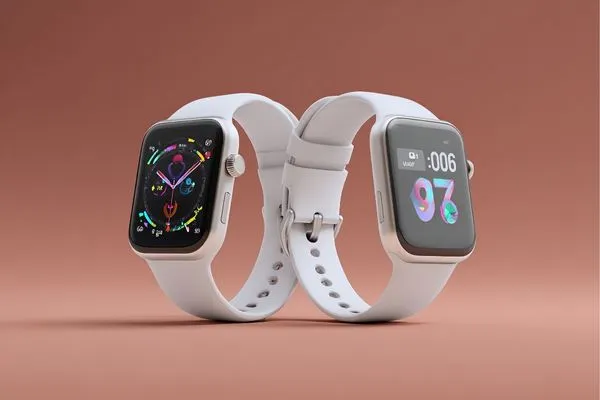
Android smartwatches are increasingly functioning as central nodes within larger wearable ecosystems. These devices connect seamlessly with smart rings, earbuds, sensor-equipped clothing, and other wearable patches. Each device contributes unique data points, creating a more complete and nuanced picture of overall health, fitness, and daily routines.
Smart rings continuously track sleep quality and heart rate variability, while earbuds monitor noise exposure and posture during activity. Sensor-equipped clothing measures muscle activity, body temperature, and hydration levels. When combined with smartwatch data, the networked system produces comprehensive insights that exceed the capabilities of any single device. Health metrics are collected and analyzed in context, enabling highly personalized, actionable recommendations.
Aggregated data across multiple devices enables predictive wellness support. Optimized exercise routines can be suggested based on activity patterns; hydration and dietary adjustments can be recommended; and recovery strategies can be tailored to stress and fatigue levels. Environmental factors, including air quality, temperature, and UV exposure, are integrated to provide context-aware guidance for outdoor activities and travel.
This connected ecosystem transforms Android smartwatches into central hubs for health, fitness, and lifestyle management. Integration across multiple wearables delivers insights that were previously unattainable, optimizing daily routines and supporting proactive well-being management.
Security, Privacy, and Biometric Innovations
As smartwatches track highly sensitive personal, medical, and financial data, security and privacy have become critical considerations in 2026. These devices now store information that, if compromised, could have serious consequences. Multiple layers of protection are integrated to safeguard data while maintaining ease of use.
Biometric authentication is taking center stage as a secure and intuitive way to unlock devices and authorize sensitive actions. Heartbeat patterns, skin conductivity, and even subtle wrist movements can now serve as unique identifiers, making it difficult for unauthorized users to gain access. Voice recognition is another emerging feature, enabling hands-free authentication for tasks such as approving payments, logging in to accounts, or accessing secure apps. These biometric measures enable new functionalities such as contactless payments, safe entry to workplaces or homes, and verification for confidential communications, all directly from the wrist.
Encryption technology plays a pivotal role in safeguarding stored data and communications. Advanced encryption standards ensure that sensitive health metrics, personal schedules, and financial transactions are protected even if a device is lost or stolen. Multifactor authentication adds another layer of security, combining something the user has (the watch), something they know (a PIN or passcode), and something they are (biometric data). This approach makes unauthorized access extremely difficult while maintaining a smooth, frictionless user experience.
Privacy controls have also evolved. Users can now manage what data is collected, how it is shared, and with whom. Many Android smartwatches offer granular settings that let users control app permissions, choose which health metrics to monitor, and even anonymize data when sharing it with third-party services. Some devices now incorporate on-device AI processing, minimizing the need to send sensitive data to cloud servers, reducing exposure, and maintaining personal control over information.
The combination of these security and privacy innovations ensures that smartwatches remain trustworthy companions in both personal and professional settings. They provide convenience, connectivity, and health insights without compromising user data, making wearable technology not just smart, but safe and reliable.
The Role of Smart Rings and Hybrid Wearables
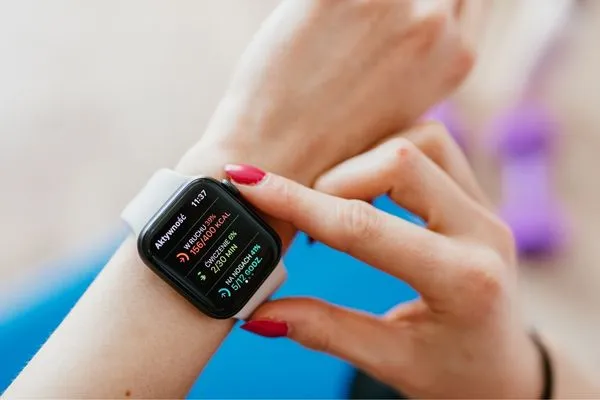
Smartwatches are no longer the only wrist-worn tech. Companion devices like smart rings are gaining popularity, offering discreet monitoring with long battery life. Hybrid wearables that combine traditional analog aesthetics with digital tracking provide options for users seeking style without sacrificing functionality.
These alternative wearables complement smartwatches, creating a broader ecosystem of devices that suit different lifestyles, fashion preferences, and functional requirements. The diversification of wearable form factors ensures users can choose devices that best fit personal needs.
Android Smartwatch Innovation in 2026
The Android smartwatch landscape in 2026 is defined by innovation. AI-driven intelligence, advanced health monitoring, standalone connectivity, extended battery life, refined software, fashion-focused design, and integrated wearable ecosystems are expanding smartwatch capabilities.
Smartwatches function as essential tools for health management, productivity, and lifestyle optimization. Anticipating needs, streamlining daily activities, providing actionable insights, and complementing personal style, these devices are transforming wearable technology. The future of Android smartwatches is intuitive, connected, and indispensable, signaling a new era in wearable functionality.